 516.407.9795
 pamela@adhdiq.com
 2266 1/2 East Main Street Suite D Bexley, Ohio 43209

When people in Ohio search for ADHD treatment, many expect the answer to be medication. Medication can help a lot of people, but it is only one part of good ADHD care. Therapy, coaching and parent training teach the skills and build the systems that medication alone does not. This guide explains what non-medication ADHD treatment looks like, who it helps, and how it works alongside a prescriber when medication is part of the plan.
What “ADHD treatment” can include
Effective ADHD care is usually a combination of approaches, matched to the person’s age and needs:
- Parent training and behavior therapy for young children. For preschool-aged children, behavior therapy with parent training is the recommended first step before medication is tried.
- Therapy for teens and adults that addresses the emotional side of ADHD: frustration, low self-esteem, anxiety and conflict at home or work.
- ADHD coaching focused on practical skills such as planning, time management, routines and follow-through.
- Medication, prescribed and monitored by a primary care provider or psychiatrist.
- School and workplace supports such as a 504 plan, an IEP, college accommodations or workplace adjustments.
Why skills-based treatment matters
ADHD researcher Russell Barkley describes ADHD as a problem of doing what you know, not knowing what to do. People with ADHD usually understand what they should do; the hard part is turning that into action at the right time. Therapy and coaching target exactly this gap. They help you:
- Make time visible with timers, calendars and routines
- Break big tasks into steps you can actually start
- Build reminders and structure into your environment instead of relying on memory
- Manage strong emotions, frustration and rejection sensitivity
- Repair the stress ADHD can put on relationships and family life
Medication can make it easier to use these skills, but it does not teach them. That is why many people do best with both. You can read more about this in our article on Barkley’s 7 executive functions.
How ADHD IQ works with prescribers
ADHD IQ does not prescribe medication. Pamela Moss-Samuelson, LISW-S, provides diagnosis, therapy and coaching. When medication may help, your written evaluation report gives your primary care provider or psychiatrist what they need, and we coordinate with them so therapy and medication support each other. Before founding ADHD IQ, Pamela worked as a Primary Care ADHD Clinician at Nationwide Children’s Hospital, so she knows how to work alongside primary care.
ADHD treatment for every age
- Children and parents (ages 4 to 12): parent training, behavior strategies and support with school.
- Teens: focus, organization, homework, motivation and mood, with parents involved.
- College and graduate students: study systems, deadlines and accommodations.
- Adults: work, relationships, emotional regulation and daily routines.
- Families: less conflict at home and routines that work for everyone.
Online ADHD treatment anywhere in Ohio
All sessions are by secure video, so treatment fits around school and work whether you live in Columbus, Cleveland, Cincinnati, Dayton, Toledo or a small town. You need to be physically in Ohio, New York or Connecticut during sessions.
Where to start
Treatment works best when it starts from a clear diagnosis. If you have not been evaluated, start with an ADHD evaluation in Ohio. If you already have a diagnosis, learn more about ADHD treatment in Ohio or request an appointment.
This article is for general information and is not a substitute for professional advice. Decisions about medication should be made with a prescribing clinician.
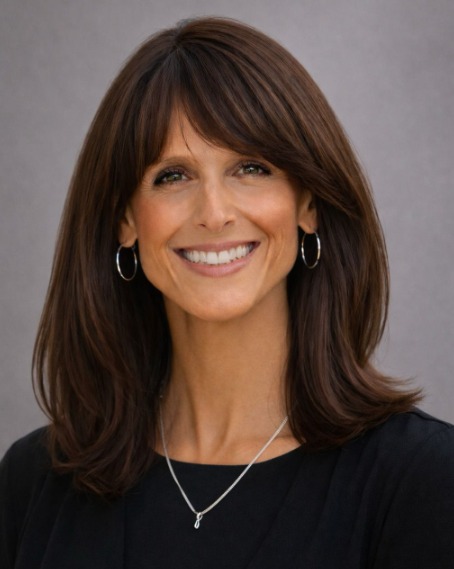
Written by Pamela Moss-Samuelson, LISW-S
Pamela Moss-Samuelson, LISW-S, is the founder of ADHD IQ. She is licensed in Ohio, New York and Connecticut and holds a Master of Social Work from The Ohio State University. Pamela previously worked as a Primary Care ADHD Clinician at Nationwide Children's Hospital and as ADHD Intake Coordinator at Cincinnati Children's. She is also a certified health and wellness coach.
Read more about Pamela